
"Bolivia coffee market"
300 article(s) found

A brief introduction to the cultivation of Bolivian boutique coffee beans with balanced taste, geographical location, climate and altitude
The early Bolivian coffee was of low quality and the market was very poor. Usually the picked coffee fruit is bumped all the way to the processing plant after a simple peeling treatment. Due to the imperfect infrastructure, the traffic is underdeveloped. Coffee farmers have to overcome the rugged mountain road and transport the beans to the higher altitude area of La Paz for washing. If the coffee fruit can not be delivered to the processing in time

Organic Coffee cultivation of Bolivian Fine Coffee Arabica Coffee
Located in the western heart of South America, Bolivia covers an area of 1098581 square kilometers-about three times the size of Montana. The two mountains of the Andes span western Bolivia, forming three major geographical regions of the country: the mountainous highlands in the west and Altiplano, and the east.

Introduction of Bolivian Coffee Snow vein Manor Coffee Flavor Variety
The advantage of Bolivian coffee lies in its high altitude and excellent varieties of coffee, where the traditional Tibica and a small amount of Kaddura are highly valued in the world market. Bolivia is not a big coffee producer, but the excellent altitude and climatic conditions of the La Paz Mountains make the coffee produced here is of excellent quality. Bolivian boutique coffee is delicate, bright and sweet.

Global coffee producing area-Bolivia
In the past, coffee trees in Bolivia used to act as hedges and ornaments around the garden. Real commercial production began in the early 1950s. The coffee industry in Brazil was seriously damaged by the great frost in 1975, while Bolivia (Bolivia) benefited from it and developed rapidly. The origin of Bolivian coffee: Bolivian coffee at an altitude of 180 Muhami 670 meters.
Coffee from Bolivia
Coffee trees used to be planted around gardens as hedges and ornamental plants in Bolivia. Real commercial production began in the early 1950s. The 1975 frost severely damaged Brazil's coffee industry, but Bolivia benefited from it and grew rapidly. Bolivian coffee production: Bolivian coffee at an altitude of 180--670 meters

Bolivian coffee rich in sour taste Origin and development History and culture Introduction
Early Bolivian coffee was of poor quality and poorly marketed. The coffee cherries are usually picked and then simply peeled and sent all the way to the processing plant. Due to inadequate infrastructure, transportation is underdeveloped. Coffee farmers have to overcome rugged mountain roads to transport beans to higher altitudes in La Paz for washing. If coffee is not delivered in time,

A brief introduction to the history and culture of the origin and development of Bolivian boutique coffee beans with rich sour taste
The early Bolivian coffee was of low quality and the market was very poor. Usually the picked coffee fruit is bumped all the way to the processing plant after a simple peeling treatment. Due to the imperfect infrastructure, the traffic is underdeveloped. Coffee farmers have to overcome the rugged mountain road and transport the beans to the higher altitude area of La Paz for washing. If the coffee fruit can not be delivered to the processing in time
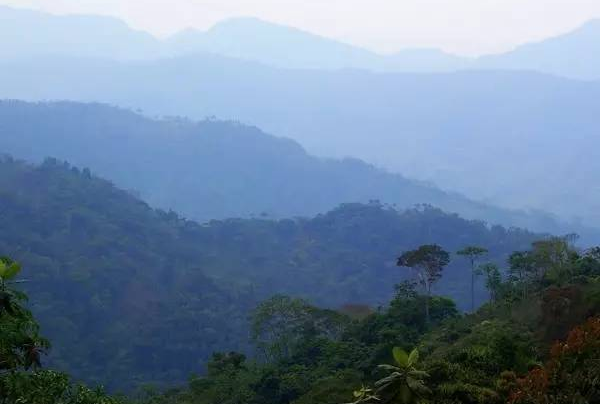
Description of taste and flavor of coffee beans for solitary travelers in Dark Arts, Bolivia
Follow the caf é (Wechat official account vdailycom) found that the Beautiful Cafe opened its own small shop in Bolivia Suapi comes from the La Paz producing area. Outside the city of Caranavi, coffee cherries are processed on a small farm, peeled and peeled mechanically, fermented in a small fermentation tank overnight, and then washed after fermentation.

Citrus sour Bolivian Coffee Manor Snow vein Manor planting situation Climate altitude brief introduction
The early Bolivian coffee was of low quality and the market was very poor. Usually the picked coffee fruit is bumped all the way to the processing plant after a simple peeling treatment. Due to the imperfect infrastructure, the traffic is underdeveloped. Coffee farmers have to overcome the rugged mountain road and transport the beans to the higher altitude area of La Paz for washing. If the coffee fruit can not be delivered to the processing in time

What is the taste and flavor of Bolivian coffee Linda washed with long beans? How do you rush Bolivia?
Professional coffee knowledge exchange more coffee bean information please follow the coffee workshop (Wechat official account cafe_style) Bolivian coffee Linda washed long beans taste and flavor? How to wash beans with Bolivian coffee water before it tastes good? Bolivia is one of the most difficult growing areas in the world, and transportation and climate are the biggest problems. This year, after a special relationship of origin,
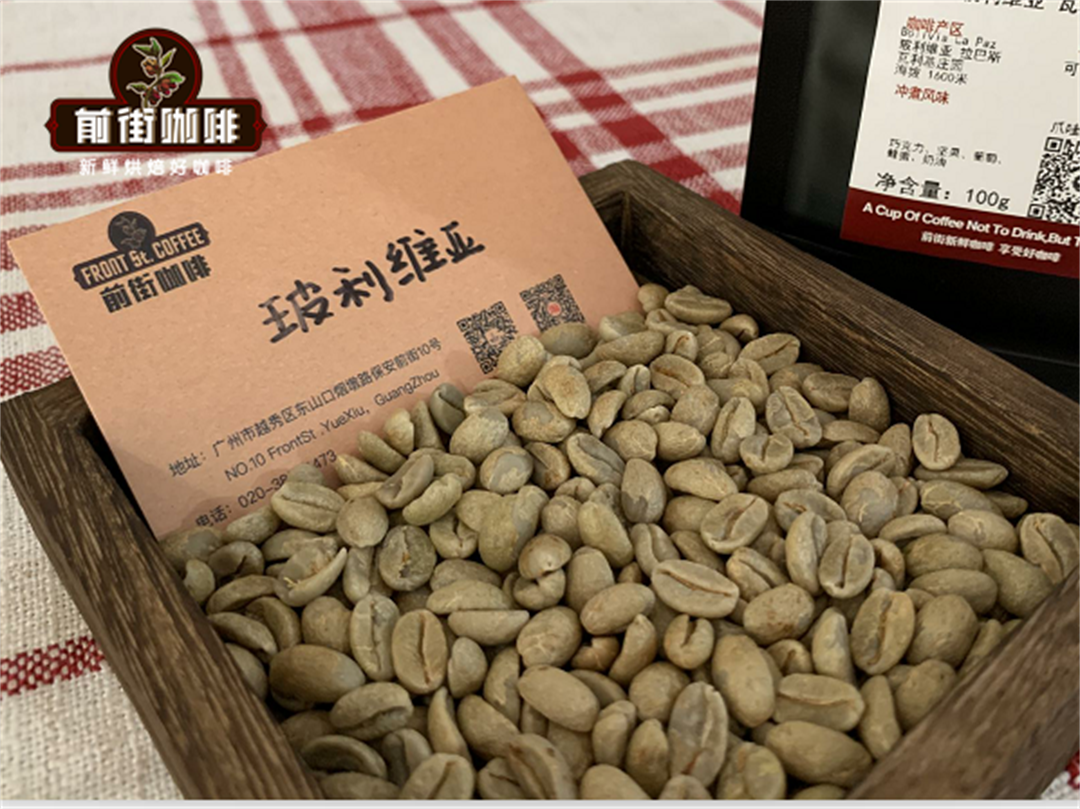
Bolivia Arachitas Estate Cocoa Sun-baked Kadura Coffee Flavor Characteristics
Bolivian coffee is just beginning to make a name for itself in the world of specialty coffee. Once considered a producer of low-quality coffee, suited only to blend roasts, Bolivia is struggling to change its image, one bean at a time. In Bolivia, fine coffee is grown at altitudes of 1,200 to 2,000 meters above sea level, mainly (

Introduction to Bolivian coffee is the quality of Bolivian coffee good?
For the exchange of professional baristas, please pay attention to the coffee workshop (Wechat official account cafe_style) Bolivian coffee: Bolivian coffee has the advantages of high altitude and excellent coffee varieties, where the traditional Tibica and a small amount of Kaddura are highly valued on the world market. In the past, coffee trees in Bolivia used to act as hedges and ornaments around the garden.

Brief introduction to the treatment method of grinding degree and baking degree of Bolivian coffee with sour fruit
We know that Arabica coffee cannot be grown in cold places above 2000 meters above sea level. if the altitude is too high, coffee trees will frost because the temperature is too low. So Bolivian coffee is mainly grown in the Yungas region northeast of La Paz. It borders the Amazon basin and is about 1500-2500 meters above sea level with an average annual temperature of about 10-15 ℃. Therefore, guarantee

Lake Titicaca in Bolivia, washing iron, Bica boutique coffee beans, grindability, baking degree.
Roaster name: Dazhen Coffee Qianjie Cafe location: Guangzhou Baoqian Street 10 manufacturer contact information: 38364473 ingredients Table: own baking shelf life: 90 net content: 227g Packaging: bulk coffee beans ripe degree: whether coffee beans contain sugar: sugar-free origin: Bolivia roasting degree: moderate Lake Titicaca Copacabana countries: Bolivia

Bolivian coffee beans rich and unique origin and development history and culture brief introduction
Because Bolivia produces so little, we don't have much chance of drinking it. Because the smaller the yield, the more precious it was. For my personal preference for Central American coffee, I still have more expectations for Bolivia, a small and beautiful coffee-producing country. In the past, Bolivia's coffee was mostly of average quality, but in recent years, fine coffee production has developed rapidly and a lot has appeared.

Bolivian fine coffee beans with dried almond flavor Taste Aroma Description
Bolivia not only has a unique growing environment, but also has an excellent coffee variety Typica. For 200 years, the coffee varieties in Yangas have been dominated by the ancient Tibica. The Tibica variety has a balanced and soft flavor, with lively aromas and rich acidity. Unfortunately, Tibica's yield is low and its disease resistance is poor, making Bolivia's

What are the steps of Bolivian coffee brewing for Bolivian coffee brands
Professional baristas Please pay attention to the Coffee Workshop (Wechat official account cafe_style) Bolivian coffee has the advantages of high altitude and excellent coffee varieties, where the traditional Tibica and a small amount of Kaddura are highly regarded on the world market. In the past, coffee trees in Bolivia used to act as hedges and ornaments around the garden. Real commercial production comes from

Brief introduction to the treatment method of grinding degree and baking degree of Bolivian boutique coffee beans with dried almonds
In the past, coffee trees in Bolivia used to act as hedges and ornaments around the garden. Real commercial production began in the early 1950s. The coffee industry in Brazil was seriously damaged by the great frost in 1975, while Bolivia (Bolivia) benefited from it and developed rapidly. The origin of Bolivian coffee: Bolivian coffee at an altitude of 180 Muhami 670 meters.

Six major producing areas in Bolivia introduce Pro-Agro coffee cooperative in detail
The coffee growing areas of Bolivia (Bolivia) include Yungas, Santa Cruz, Beni, Cochabamba, Tarija, Pando, etc., but the vast majority (95%) are produced by Yungas. The local government expropriated land from big landlords and redivided it into 1-8 hectares and distributed it to coffee farmers, who produced about 8% of Bolivia's coffee.
Lake Titicaca, Bolivia, small farmers, water washed, iron pica, fine coffee beans, freshly roasted, freshly ground.
Name: Dazhen Coffee Front Street Cafe Address: No.10 Baoanqian Street, Guangzhou City Factory Contact: 020-38364473 Ingredients List: Self-baked Shelf Life: 90 Net Content: 227g Packaging Method: Bulk Coffee Bean Ripe Degree: Coffee Ripe Bean Sugar Free Origin: Bolivia Roasting Degree: Moderately Roasted Lake Titicaca Copacabana Country: Bolivia